South Korea Mandates AI Censorship of All User Images from July 1: An Anti-Deepfake Law Goes Dystopian
Starting July 1, 2026, South Korea requires all internet communities to AI-scan every user-uploaded image. Requirements include NVIDIA Quadro GPUs and Ubuntu 18.04 (EOL 2023). Small communities have 3 weeks to deploy impossible systems. HN: "Dystopian even by Korean standards."
TL;DR
South Korea is mandating that all internet communities and forums use AI to scan every user-uploaded image and video, starting July 1, 2026. The regulation requires NVIDIA Quadro GPU-grade hardware running Ubuntu 18.04 (which reached EOL in 2023). Small communities have less than a month to comply. The law — originally designed as an anti-deepfake measure — is now being implemented with technical requirements so impractical that even government briefing attendees were laughing. This could reshape Asia's internet landscape more profoundly than GDPR or the EU AI Act.
Key Facts
- Effective Date: July 1, 2026 (just 3 weeks from today)
- Scope: All image and video uploads on South Korean-operated internet communities and forums
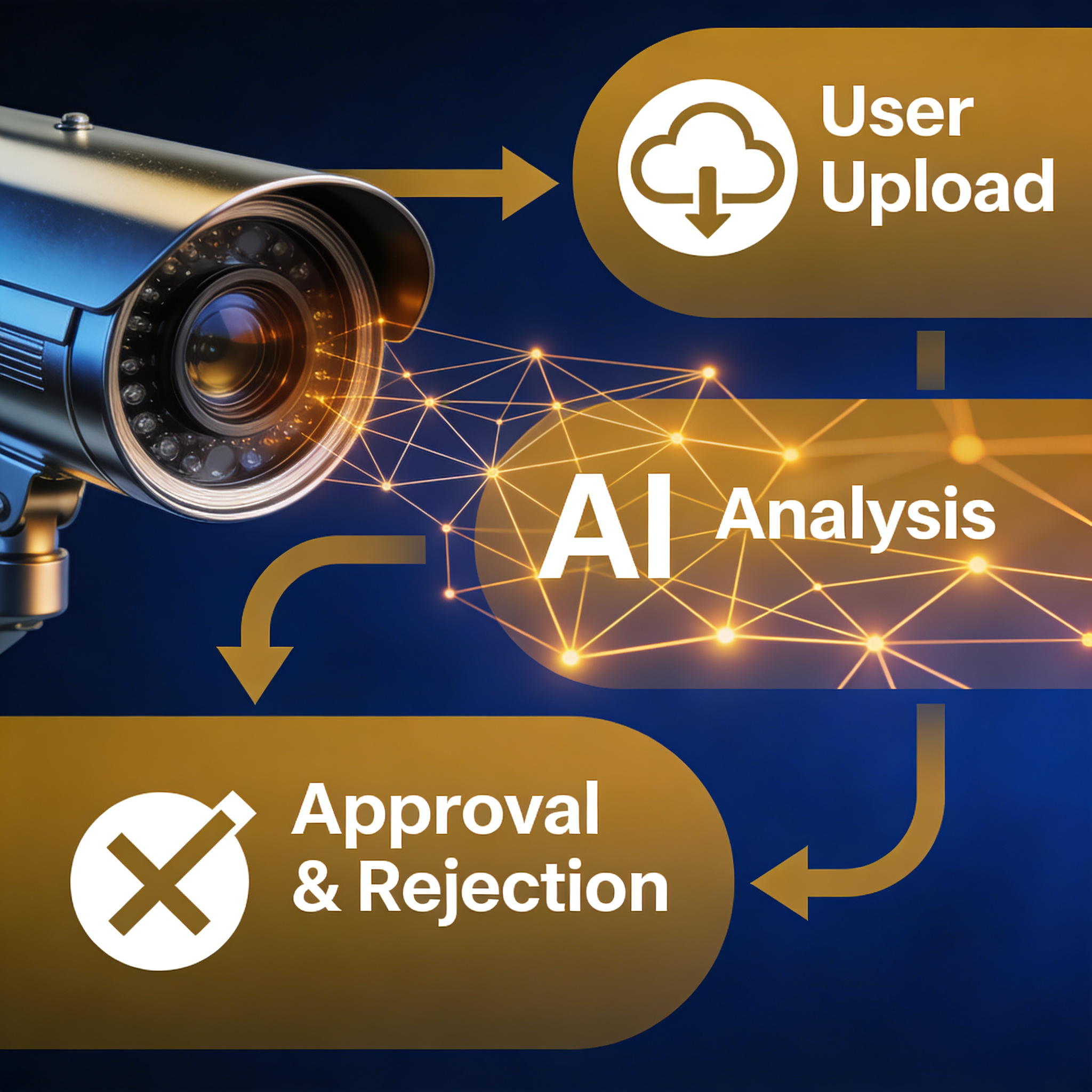
- Method: Mandatory AI scanning for illegal content before publication
- Hardware Required: NVIDIA Quadro GPU servers, Ubuntu 18.04 (EOL 2023)
- Community Reaction: From "ridiculous" to "dystopian" — Korean internet communities are in an uproar
- Background: Extension of the "Nth Room Prevention Act" (2021), but the implementation details have far exceeded the legislative intent
Background: From Anti-Deepfake Law to Total AI Surveillance
In 2021, South Korea passed a revision to the Telecommunications Business Act, popularly known as the "Nth Room Prevention Act." The law aimed to combat digital sexual crimes, particularly deepfake pornography and illegal filming. Five years later, the government is now defining the technical standards for enforcement.
In May-June 2026, the South Korean government issued formal guidelines to internet community operators. The requirements mandate AI-powered scanning systems for all user-generated images and videos. An operator of Ruliweb (one of Korea's largest gaming/community sites) who attended a government briefing publicly expressed helplessness — the entire room burst into laughter during the presentation because the technical standards were so impractical.
Key Impacts
| Dimension | Change | Impact | Recommendation |
|---|---|---|---|
| Timeline | Mandatory from July 1 | Only 3 weeks to prepare; operators completely caught off guard | Consider migrating servers overseas (AWS non-Seoul regions) |
| Hardware | Single Quadro GPU + Ubuntu 18.04 | GPU supply constrained globally; Ubuntu 18.04 reached EOL in 2023 | Monthly infrastructure costs could reach thousands of dollars per community |
| Scope | All images and videos | Even niche forums cannot exempt themselves | Small communities face Hobson's choice: shut down or break the law |
| Review Mechanism | AI auto-scan, no mandatory human review | High false-positive rates, serious privacy concerns | Need clear appeal process and human review channels |
| Legal Basis | 2021 Telecommunications Business Act revision | Gap between legislative intent (anti-deepfake) and implementation (total AI scanning) | Requires legislative revision or judicial clarification |
| Global Impact | First democratic nation mandating AI scanning of all user images | May set precedent for other nations; could weaken Korean internet companies' global competitiveness | Global operators need compliance risk assessment |
HN Community Response
Hacker News discussion reveals polarized views:
Critical voices emphasize the dystopian overreach:
- "This feels really dystopian, even for South Korean standards"
- "South Korea has been ranked only slightly better in terms of press freedom than their authoritarian counterpart North Korea"
- "Either written by incompetent lawmakers or by someone whose goal is to kill small, free and open communities"
- "No traditional media talk about this as much as it should be"
Understanding voices note the legitimate concerns:
- "Something missing as cultural context is that deepfake, involuntary porn, and all sorts of abuse of personal image are a rampant and omnipresent problem in Korea"
- "The sexual landscape when it comes to men versus women and kids is nasty"
Technical criticism is the most damning:
- "Forcing CUDA and guiding for Ubuntu 18.04 — FYI, EOS was 2023"
- "Do they really think a single Quadro GPU server can handle heavy traffic in real-time?"
- "Using an AI censorship tool requires purchasing a solution from a specific vendor. And the deadline is effectively less than a month"
- "There are many IT zombie companies in South Korea that sustain themselves through government contracts — they're the real beneficiaries"
Lessons for Global AI Governance
South Korea's mandatory AI censorship debacle offers several cautionary lessons:
Technology-Neutral vs Technology-Mandated Regulation: The Korean government is trying to solve a deepfake problem with AI, but the implementation is anything but technology-neutral — specifying NVIDIA hardware, Ubuntu 18.04, and mandatory AI image scanning. This isn't neutral regulation; it's the government picking technology winners and losers.
Tiered Compliance Costs Hit Small Players: Large corporations can absorb the cost of GPU clusters and AI scanning systems. But small community forums — the "digital pubs" run by individuals or tiny teams — face a binary choice: shut down or operate illegally. This is a textbook case of regulation indirectly accelerating internet consolidation.
Trust and Accuracy Gaps: The mandate requires AI to auto-scan all content but provides no mandatory human review or appeal mechanism. Given the well-documented high false-positive rates of AI content moderation — especially across cultural contexts — countless legitimate posts will be caught in the crossfire.
Actionable Recommendations
For website operators serving Korean-language users or hosting in South Korea:
- Assess Geographic Compliance: Servers in South Korea must deploy AI scanning by July 1. Consider overseas migration (AWS non-Seoul regions, Cloudflare global network) to limit jurisdictional exposure
- Monitor Enforcement Signals: The hardware supply crunch and impractical standards may force the government to relax enforcement after initial implementation
- Prepare Alternative Solutions: Evaluate open-source AI scanning tools (Google Vision API, AWS Rekognition) as potential alternatives
- Consider Geographic Segmentation: If serving both Korean and international users, consider partitioning by language/region to avoid blanket enforcement
Further Reading
Internal Links
- Want to build automated workflows overseas? See: n8n + OpenAI Content Automation Tutorial
- Need quality gates for your AI pipeline? See: AI Automation Quality Check Guide
Monetization angle
How can you make money from this trend?
WayToClawEarn focuses on verified earn playbooks—not just news. Start from these cases.
n8n + OpenAI affiliate site
Automate content and affiliate monetization
Claude + n8n automation agency
Charge monthly for agent workflow builds